
Choosing a fill size: 5 mg, 10 mg or 20 mg
Most compounds in the catalogue are sold in more than one fill size. They are the same peptide from the same synthesis and the same purification, so the differences that matter are economic and practical rather than chemical — and the certificate for a 5 mg vial and a 20 mg vial of the same lot reports the same purity and identity figures.
What actually differs
- Cost per milligram. This is the real argument for a larger fill, and it is substantial. Dilution, lyophilization, stoppering and QC all carry a largely fixed cost per vial, so that cost spreads across more material as the fill grows. At typical catalogue pricing the per-mg cost of a 20 mg vial is materially below a 5 mg vial of the same compound.
- Run count. A larger fill means fewer reconstitution events — which matters more than it sounds, because every reconstitution is a freeze–thaw opportunity and a chance to contaminate the vial. See our guide to storage and cold chain for why single-use aliquots are the standard practice.
- Waste. A small fill is the right choice when you genuinely only need a little. Peptides do not keep well once reconstituted, so an unused working solution is lost regardless of how much you started with.
- Stability headroom. Dry powder at –20 °C is stable, so a larger fill is not a risk in the way a large volume of solution would be.
How to choose
Start from how much material the experiment needs, then adjust for the cost argument. If your requirement sits near a size boundary, take the larger fill: the per-mg saving usually outweighs the unused material, and unused dry powder is far less costly than a spoiled solution. If the requirement is genuinely small and occasional, the small fill is correct and there is no advantage in over-buying.
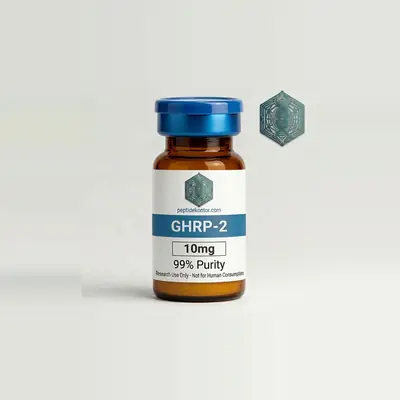
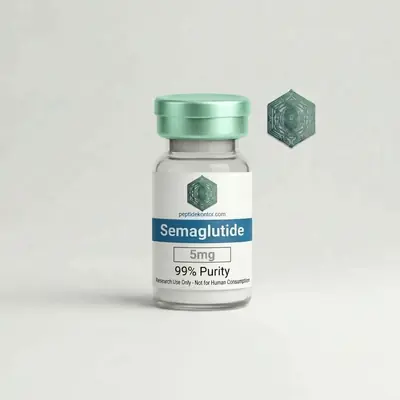
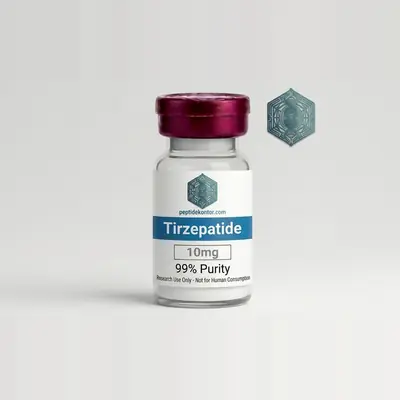
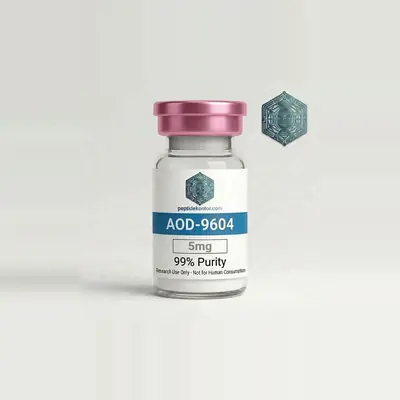
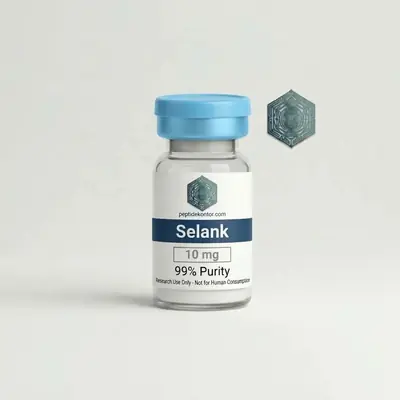
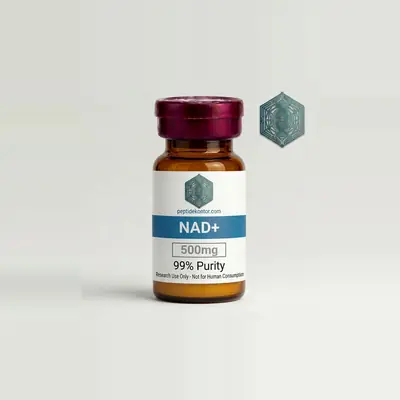
Compounds available in several sizes include GHRP-2, Semaglutide, Tirzepatide, AOD-9604, Selank and NAD+. Each product page carries a size selector, and the price shown on cards is the "from" price across the sizes available.
Wholesale and lab accounts are handled separately — see the contact page if you are buying on a recurring basis, and the [[quality system]] for what a lot-level order includes.
Composants cités
Chaque composé mentionné ci-dessus, avec son certificat d’analyse actuel.
Plus de notes de recherche
- Ipamorelin & CJC-1295 (DAC vs. No DAC): Pulsatile GH Release vs. Continuous Elevation in Preclinical Research
- BPC-157 and TB-500: The Molecular Synergy of Angiogenesis and Actin Upregulation
- Semaglutide vs. Tirzepatide: Comparing Mono-GLP-1 and Dual GLP-1/GIP Agonism in Laboratory Models
- HPLC purity vs mass spec identity: what each assay actually proves
- Endotoxin testing: the assay that decides whether a batch is usable
- The five research categories, and what distinguishes them